

FAST DELIVERY

RIGHT OF RETURN
Max. net value per order £135
Print your own custom designs


Design Collections for your t-shirt


FIND LOVLEY GIFT IDEAS
The perfect gift for every occasion


HOW TO PRINT YOUR PRODUCT
Choose your product
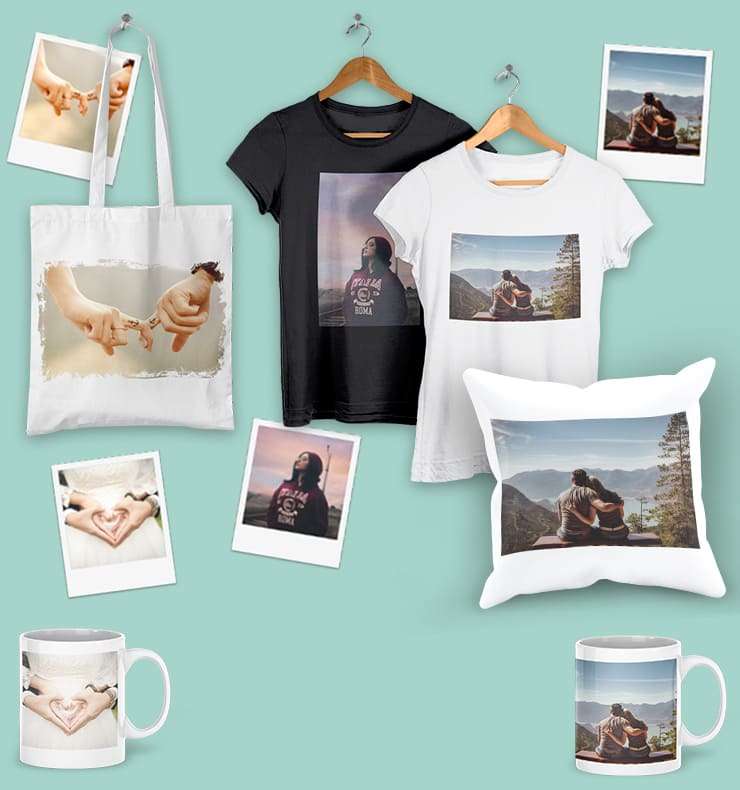
Do you want to print a t-shirt, a hoodie or maybe a mug? With Shirtinator you're at the right place. We have a big selection of products to print on. At Shirtinator you can find the classics such a t-shirts, hoodies, jackets but also bibs or sportswear. We also have products such as mugs, caps, bottles and many more on stock. We also offer best organic textile quality made from organic cotton and use Oeko-Tex®-Standard 100 ink for digital printing. Have you decided on your favourite product? Just select your colour of choice and you can start designing right away!
Design & print
Use a picture or a quote and customise it with our tools just the way you like it. You're looking for inspiration? You can choose one of our templates under "designs" and click on "create now". Here you can adjust the size and position of the template, add text or even more graphics. In case you'd rather get a t-shirt instead of a hoodie, you can simply switch products by clicking "change product". With the right printing technique you can enjoy a great product with bright colours for a long time. If you have any questions about designing and printing, our service team is always happy to help.
Order
Choose the right size and amount and put everything in the shopping cart. With "edit shopping cart" you can make changes anytime. When you're happy with your order, just enter a delivery address and pay via PayPal, invoice or bank transfer. Are you ordering a gift? Just choose "no invoice" when selecting your method of payment. With our quick delivery your personalised product will arrive in no time at all! The only thing left to do is to wait, open your package and love it!
Order
Choose the right size and amount and put everything in the shopping cart. With "edit shopping cart" you can make changes anytime. When you're happy with your order, just enter a delivery address and pay via PayPal, invoice or bank transfer. Are you ordering a gift? Just choose "no invoice" when selecting your method of payment. With our quick delivery your personalised product will arrive in no time at all! The only thing left to do is to wait, open your package and love it!
Design & print
Use a picture or a quote and customise it with our tools just the way you like it. You're looking for inspiration? You can choose one of our templates under "designs" and click on "create now". Here you can adjust the size and position of the template, add text or even more graphics. In case you'd rather get a t-shirt instead of a hoodie, you can simply switch products by clicking "change product". With the right printing technique you can enjoy a great product with bright colours for a long time. If you have any questions about designing and printing, our service team is always happy to help.
Choose your product
Do you want to print a t-shirt, a hoodie or maybe a mug? With Shirtinator you're at the right place. We have a big selection of products to print on. At Shirtinator you can find the classics such a t-shirts, hoodies, jackets but also bibs or sportswear. We also have products such as mugs, caps, bottles and many more on stock. We also offer best organic textile quality made from organic cotton and use Oeko-Tex®-Standard 100 ink for digital printing. Have you decided on your favourite product? Just select your colour of choice and you can start designing right away!
HOW TO PRINT YOUR PRODUCT